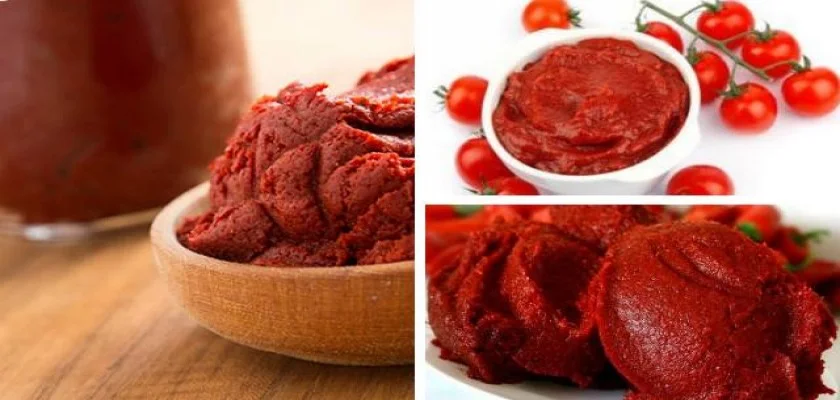
Can Paste Be Made from Mottled Döngün Tomatoes?
Our women, as always, do not consider any product natural unless their hands have touched it. Especially for their food needs, spouses who return to their hometowns work hard together to eat the products they make with relish, striving all summer long. Peppers, beans, and cucumbers become winter necessities, while tomatoes, indispensable for meals, eagerly await summer to become paste. Starting from late June and early July, as the tomatoes begin to ripen, they will ripen faster and yield produce as temperatures rise. Tomatoes do not ripen and cannot be a productive crop if they are not warm. For the produce to ripen by absorbing the scorching heat of the sun, the season must be both normally rainy and warm. The tomatoes you choose to make paste from can be harvested when their outsides start to turn pink, as their insides have already begun to ripen in the field. However, these tomatoes need to be kept in the dark or left on the vine for a few more days to ripen.
How to Boil the Paste
The harvested ripe tomatoes are first selected and sorted. Rotten and bruised ones are set aside, and they are chopped into slices inside perforated bags called 'teliz' and left in light shade for a few days to ferment. After a few days, the tomatoes, which turn white and foamy as they ferment, are taken out of the 'teliz' and put into containers for crushing. They are passed through small-holed sieves to separate the skins and the pulpy parts that will become paste. The tomatoes will be boiled in large, deep, and wide copper cauldrons called 'kalaylı'. They are drained and poured into the cauldron using containers. The tomatoes in these cauldrons, heated gently with wood fire from below, must be cooked until they thicken. If you make the fire too strong under the cauldrons, you can burn the tomatoes. Therefore, you should add wood at regular intervals and wait by their side until the tomatoes turn into paste. If it is thought that pests will damage them if left on the vine, they will ripen within a few days if collected and stored, reaching the consistency of homemade pepper paste. Tomato seedlings, planted spread out over large areas in the fields, yield dozens of tomatoes on the vine and are left to make the pastes that will add flavor to meals.
www.gurmemarket.net