
Definition and Areas of Use of MRI Scans
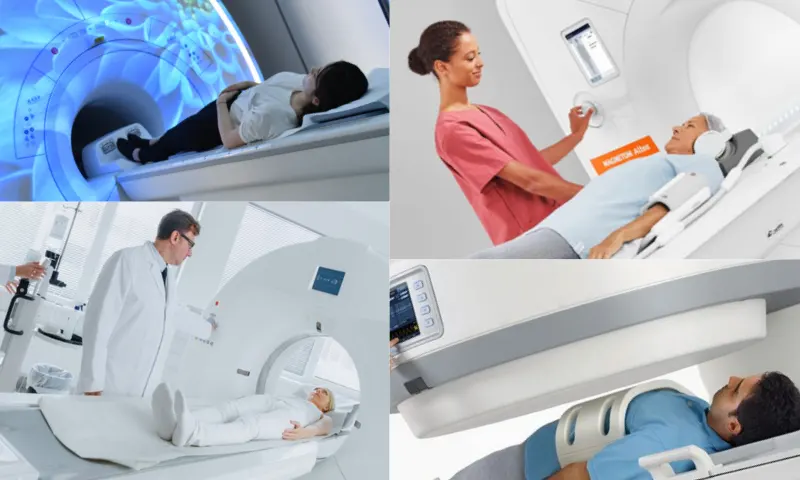
Magnetic Resonance Imaging (MRI), commonly known as an MRI scan, is an advanced imaging technology used in the medical field. This method uses strong magnetic fields and radio waves to create detailed images of the organs and tissues in the body. MRI is extremely effective, especially in imaging soft tissues, and is widely used in the examination of body regions such as the brain, spine, muscles, joints, and internal organs. MRI scans play a significant role in the diagnosis and monitoring of various health problems such as cancer, brain disorders, heart diseases, and musculoskeletal system issues. The absence of radiation makes this method safe and allows it to be used in a wide range of patients, including children and pregnant women. For information on this subject and to ask your questions, you can look at relevant online firms on internet pages and conduct a detailed review from there.
MRI Scan Process and Preparation
An MRI scan is generally a comfortable and painless procedure for the patient, but it is necessary to remain still during the scan. Before the procedure, it is important that patients do not have any metal objects on them, as magnetic fields can attract metal objects and interfere with the proper functioning of the device. Therefore, patients are asked to remove their jewelry, watches, and other metal items before the procedure. In some cases, a contrast agent may be used to obtain clearer images. In such cases, the patient is informed by the doctor to assess the risk of allergic reactions before the contrast agent is injected intravenously. The MRI machine typically has a narrow, tube-like structure, which can be uncomfortable for patients with claustrophobia. However, modern MRI machines may have wider tunnels and offer a more comfortable experience for such patients.
Advantages and Limitations of MRI Scans
MRI scans offer many advantages in medical diagnosis and treatment planning. By providing high-resolution and detailed images, it allows doctors to evaluate diseases and injuries more accurately. The absence of radiation minimizes long-term health risks and can therefore be used repeatedly. MRI is a unique tool, especially in the diagnosis of brain and spine diseases, and is extremely effective in diagnosing neurological disorders, tumors, and spinal disc diseases.
However, MRI scans also have some limitations. The procedure usually takes between 30-60 minutes, during which it is mandatory to remain still, which can be difficult for some patients. Additionally, MRI machines can be quite noisy, and patients may have to use headphones or earplugs during this time. The use of contrast agents can cause allergic reactions in some patients, and caution should be exercised in patients with impaired kidney function. Finally, patients with metal implants or devices (e.g., pacemakers) may not be suitable for MRI scans, as such devices can be affected by the magnetic field.