
Guide to Year-Round Protection with Children's Sunglasses
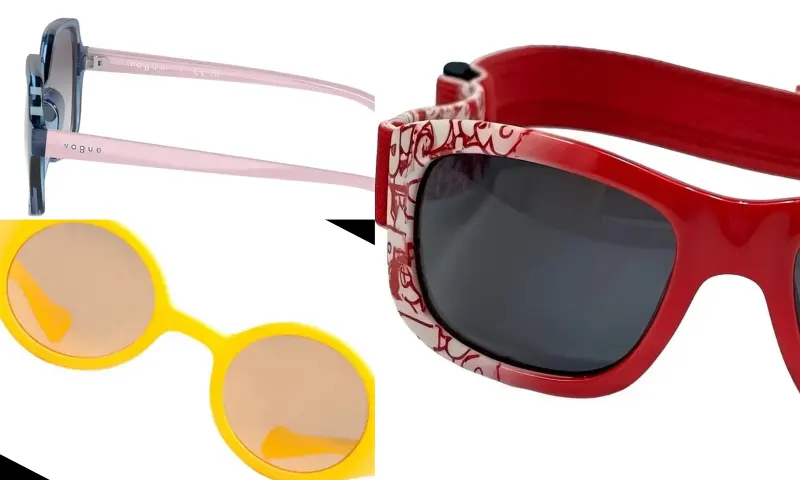
Why Should Children's Sunglasses Not Be Neglected Four Seasons a Year?
While sunny days draw children outdoors to parks and beaches with their energy, parents begin the mission of protecting their health. Although sunscreens and hats are often the first measures that come to mind, the delicate structure of the eyes can often remain in the background. Children's eye tissues are much more vulnerable to ultraviolet rays compared to adults, and unprotected exposure can lead to permanent damage in the long term. Establishing this awareness at an early age and supporting them with the right equipment is one of the best investments in the future. Ck Optik, standing out with its reliable products suitable for children's anatomy, offers original collections that elevate the eye health of little ones to the highest level at https://www.ckoptik.com/cocuk-gunes-gozlugu.
How to Cultivate Good Habits When Choosing Children's Sunglasses?
Children's sunglasses should not be seen as a temporary accessory worn only during summer holidays or at the seaside. Invisible UV rays, whether filtering through clouds, reflecting off snow in winter, or wet surfaces in autumn, persist throughout the year. Since children spend more time outdoors than adults, their annual exposure rate to these harmful rays is much higher.
To make outdoor activities much safer, it is the parents' responsibility to consider the following details:
- Even in cloudy and overcast weather, light-colored lenses with a high protection factor should be preferred.
- Wide designs that slightly wrap around the face should be chosen to block stray light from the sides.
- Only certified optical products should be used to prevent the damage that can be caused by counterfeit lenses that exploit the dilation of pupils.
One of the biggest mistakes made when buying children's sunglasses is focusing solely on technical specifications without considering the child's preference and opinion. No matter how high the quality, a model that the child does not want to wear on their face, whose color or shape they dislike, is doomed to remain in the bag at the end of the day. Therefore, as long as it stays within safety limits, the choice of color and model should be left entirely to the child's free will.
A child wearing a colorful and fun design they chose perceives this protective action as a fun part of the game rather than an obligation. Little ones who develop the habit of putting on their glasses in the morning when leaving the house, just like putting on their hats, take a great step towards becoming conscious adults of the future.