What are the Essential Elements of International Shipping?

What are the Differences Between International Shipping Companies?
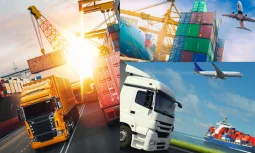
International shipping is the process of transporting goods from one country to another and involves many essential elements. These elements include factors such as transportation modes, logistics planning, customs procedures, insurance, warehousing, and shipping documents. Transportation modes include options like sea, air, road, and rail, and the chosen mode is determined by factors such as the nature, quantity, and destination of the goods to be transported. Logistics planning is important to ensure that the cargo arrives at the right place at the right time and covers all stages of the transportation process. Customs procedures are one of the most complex and critical elements of international shipping, involving the regulation and supervision of trade between importing and exporting countries. You can visit the web address for more detailed information about international shipping.
How are Customs Procedures Managed in International Shipping?
There can be various differences between international shipping companies. These differences manifest in aspects such as service quality, transportation modes, geographical coverage, pricing policies, and customer support services. Some shipping companies offer specialized services by focusing on specific transportation modes. A company focused on sea freight, for instance, provides services specifically for sea transportation and is specialized in this area. Other companies offer customers more options by providing a wide range of transportation modes. Customs procedures in international shipping are necessary for the transit of transported goods between importing and exporting countries and can be a complex process. These procedures are carried out in accordance with import and export regulations and involve a series of steps such as customs duties, tax declarations, import permits, and the preparation of other documents. Shipping companies manage these procedures on behalf of their clients and communicate with customs authorities. In this process, providing accurate and complete documentation is crucial, as incorrect or incomplete documents can lead to delays or suspension of the shipping process.