
Why is Cat Training Important?
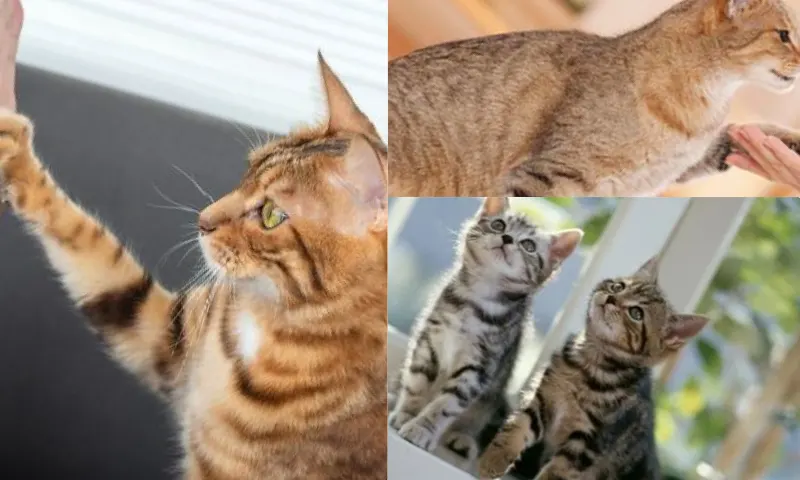
Although cats are independent and curious creatures, they can be trained with the right methods. Cat training helps the pet adapt to daily life, reduces unwanted behaviors, and builds a stronger bond with its owner. It is important to be patient during the training process, to understand the cat's personality, and to support positive behaviors. Unlike dogs, cats mostly act on their own motivations. Therefore, reward-based methods should be preferred in training instead of pressure or punishment. A favorite treat, toy, or gentle attention can encourage the cat to repeat the desired behavior. Keeping training sessions short and taking breaks when the cat's attention is distracted also makes the process easier. Every cat has a different learning speed and interest area. Kittens can acquire basic habits at an early age, while adult cats can also learn new behaviors with regular repetition. The important thing is to plan the training process according to the cat's needs. For information on this subject and to ask your questions, you can look at the relevant online firms on the internet pages and examine them in detail from here.
Litter Box and Basic Habit Training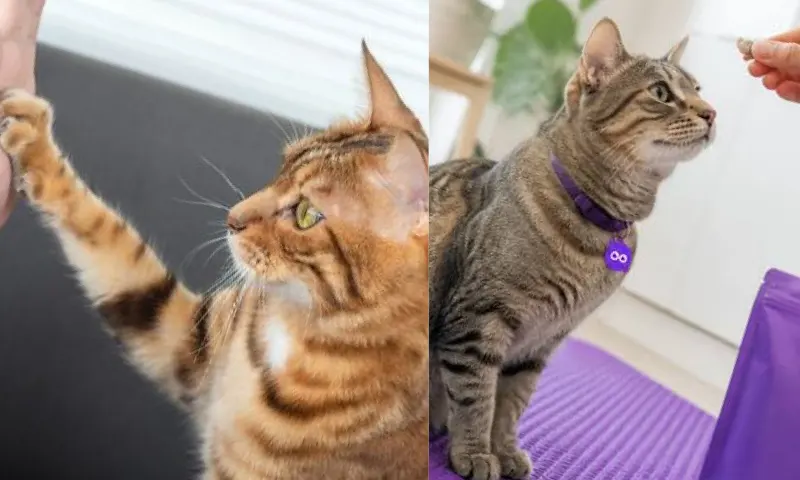
Cats generally tend to acquire litter box habits naturally. However, correctly positioning and keeping the litter box clean plays a big role in the development of this habit. The litter box should be in a quiet, easily accessible location and large enough for the cat to move comfortably. The cat can be calmly rewarded when it uses the litter box appropriately. If behaviors such as not using the litter box occur, the reason for the problem should be investigated instead of punishing the cat. The type of litter, the location of the box, changes in the home, or health problems can affect this behavior. Scratching behavior is also natural and necessary for cats. To prevent damage to furniture, appropriate scratching posts should be provided, and these areas should be placed in a way that attracts the cat's attention. Rewarding the cat when it uses the scratching post supports the development of the right habit.
Patience and Positive Reinforcement in Cat Training
Positive reinforcement in cat training aims to strengthen learning by offering a reward after the desired behavior. For example, if the cat comes to you when called, it can be encouraged with a favorite treat. Over time, this behavior is reinforced with regular repetitions. It is also important to observe the cat's body language during training. Laying its ears back, shaking its tail vigorously, or trying to move away can indicate that it is uncomfortable. In such cases, training should be ended, and the cat should be allowed to relax. Cats can also be taught skills such as getting used to a carrier, tolerating nail trimming, and responding to certain commands. These exercises facilitate veterinary visits and daily care. With a consistent, calm, and loving approach, cat training can become a trusting and enjoyable experience for both the cat and its owner.