
What is Structural BIM?
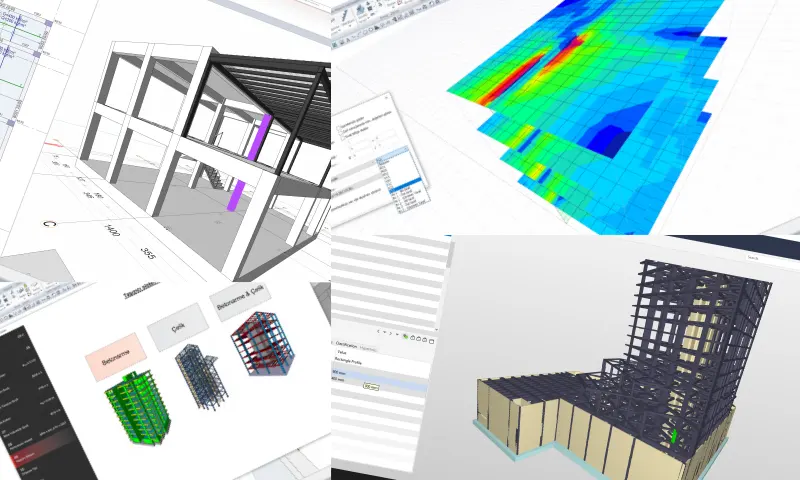
How is Structural BIM Used in Structural Engineering?
Structural BIM is a process used in construction projects for the digital modeling and management of structural elements. Structural BIM provides a comprehensive dataset that represents the physical and functional characteristics of buildings and infrastructure in a digital environment. Particularly in the field of structural engineering, Structural BIM enables the detailed modeling of the geometric design, material information, load-bearing capacity, and other engineering properties of structures. This process allows all project stakeholders to work on a common platform, ensuring the integration of design, analysis, construction, and maintenance processes. You can visit https://idecad.com.tr/architecture-engineering-construction/building-design/bim-workflows-structural-analysis-design/ for more information about Structural BIM.
How is Structural Design Achieved with Structural BIM?
Structural BIM is used in structural engineering in various ways. Structural engineers create 3D models of structures using BIM. These models include the correct dimensions, material types, and connection details of structural elements. Structural analysis and simulations are performed on BIM models. These analyses are used to evaluate the behavior, durability, and stability of the structure under loads. Structural BIM is used for clash detection and coordination. Models from different disciplines are combined to detect and resolve potential clashes in advance. Structural design with Structural BIM is carried out as an integrated process. In the first stage, a 3D model of the structure is created. This model includes the geometry and material properties of all structural elements. In the second stage, loads and boundary conditions on the structure are defined. BIM software simulates the behavior of the structure using analysis methods such as the finite element method (FEM). The analysis results are evaluated according to the safety and performance criteria of the structure. In the third stage, necessary improvements and optimizations are made to the design. This process allows engineers to make design changes quickly and see their results instantly.