How is Meniscus Treatment Done: Initial Assessment and Diagnosis Process
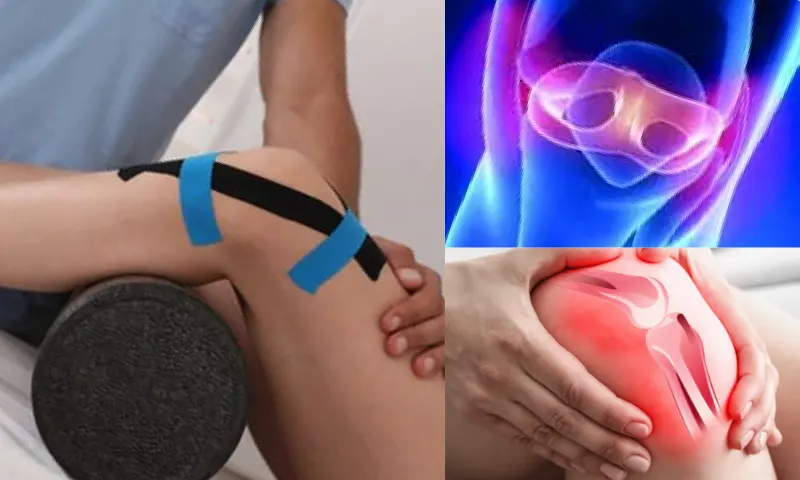
The answer to the question of how meniscus treatment is done begins with obtaining an accurate diagnosis. The meniscus is a cartilage structure located in the knee joint that absorbs shock. Sudden twisting movements, incorrect sports techniques, or age-related wear and tear can lead to meniscus tears. The treatment process starts with evaluating the patient's symptoms. The doctor performs a physical examination to check for swelling, tenderness, restricted range of motion, and locking sensations in the knee. An MRI is then commonly used for a definitive diagnosis. The type, size, and location of the tear are important in determining the treatment plan. Not every meniscus tear requires surgery; therefore, the diagnostic stage is the most crucial step in treatment. Early and accurate diagnosis speeds up the healing process and helps preserve knee function. For information on this topic and to ask questions you are curious about, you can check out related online companies on internet pages and examine them in detail from here.
Non-Surgical Methods in Meniscus Treatment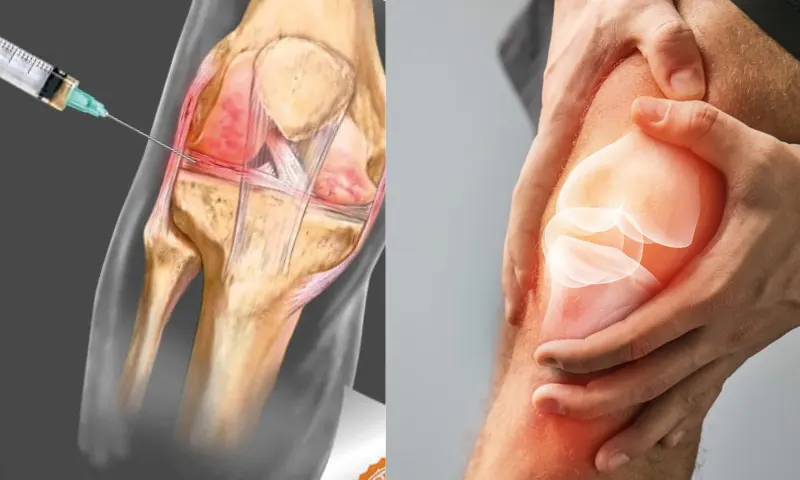
When asked how meniscus treatment is done, non-surgical methods are usually the first choice. For mild to moderate tears, the RICE method, which includes rest, ice application, bandaging, and leg elevation, is frequently used. Simultaneously, physical therapy programs that strengthen the muscles around the knee support healing by reducing the load on the joint. Anti-inflammatory drugs recommended by the doctor to reduce pain and inflammation can also be added to the treatment. Although the meniscus has a limited self-regenerating capacity, the chances of healing are higher for tears that occur in the vascularized region. For athletes and individuals with active lifestyles, special knee braces and correct training techniques are recommended. With these methods, many patients can return to their daily activities without needing surgery. However, it is very important to apply the treatment regularly and patiently.
Meniscus Surgery and Post-Operative Recovery Process
Another answer to the question of how meniscus treatment is done is surgical intervention. In cases of large tears, knee locking, or persistent pain, arthroscopic meniscus surgery may be performed. In this procedure, the doctor repairs the tear or removes the damaged part if necessary, using a camera and thin surgical instruments through small incisions. The post-operative recovery process varies depending on the type of intervention performed. If meniscus repair is done, recovery takes longer, while if a small part of the meniscus is removed, the patient may recover more quickly. Physical therapy is the most important phase of the post-operative period; regular exercises are necessary to strengthen the knee muscles and regain the joint's range of motion. Full recovery typically ranges from a few weeks to several months. With proper rehabilitation, the patient can largely regain knee function and return to daily life healthily.