
Bile Duct Cancer

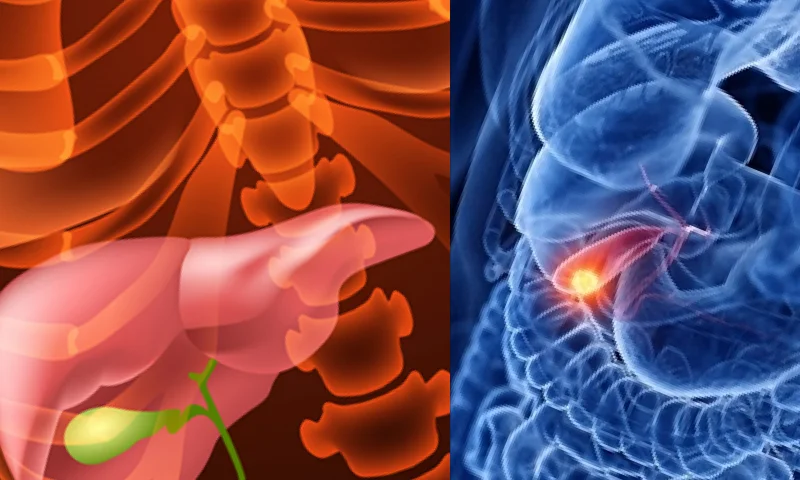
The function of the bile ducts, which extend from the liver to the small intestine, is to facilitate the movement of a fluid known as bile from the liver and gallbladder to the small intestine. Malignant tumors that occur in various areas of the bile ducts are also called bile duct cancer. For information on this subject and to ask your questions, you can examine the relevant online firms on the internet pages and conduct a detailed review from here. Bile duct cancers are divided into 3 different types. These cancer types can be classified as follows.
- Intrahepatic within the liver
- Perihilar
- Distal
Risk Factors for Bile Duct Cancer
The risk factors for individuals at risk of bile duct cancer can be listed as follows.
- Individuals with liver and bile duct diseases
- Individuals with inflammatory bowel diseases such as Ulcerative Colitis and Crohn's disease
- Advanced age
- Obesity and overweight
- Diabetes and alcohol consumption
Risk factors are factors that increase the likelihood of developing the disease. It should not be overlooked that there are patients in the risk group who do not develop cancer.
Symptoms of Bile Duct Cancer
Bile duct cancer is one of the diseases that cannot be detected in its early stages. However, when the bile ducts are blocked due to a tumor, symptoms begin to appear. The symptoms can be listed as follows;
- Jaundice is seen in the skin and eyes.
- Itching of the skin
- Fatty and light-colored stools occur.
- Back and abdominal pain may be seen.
- Loss of appetite, nausea, and vomiting also accompany.
- Unexplained weight loss is also observed.
Treatment for Bile Duct Cancer
In bile duct cancers detected in the early stage, the primary treatment is surgical intervention to remove the tumor. In patients who do not have widespread disease but are not suitable for surgery, chemotherapy is first applied to shrink the tumor. Surgical intervention is then performed. In advanced stage patients, treatment is mainly carried out with medications, especially in the form of smart pills. Vaccine therapies can also be added to this plan. Radiotherapy is a treatment method preferred for patients with metastasis and in special cases.