What is Fashion Design as a Profession?
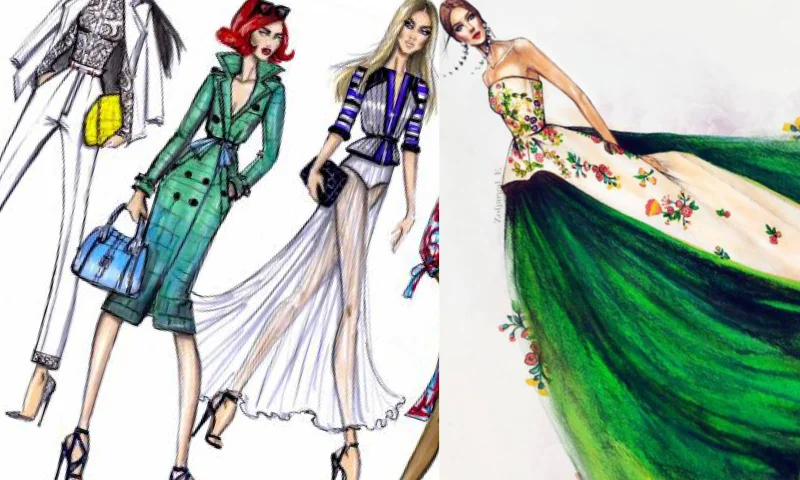
A person who designs different and new basic clothing needs that appeal to the customer's taste and preferences in the clothing industry is called a stylist. This job is also called styling. Society may refer to stylists who do their job successfully as “fashion designers,” a term derived from the word fashion, meaning “a person who directs fashion trends.” In other words, fashion designers are people who design shoes, clothes, accessories, and similar items in a different, original, and unique way, in line with the trends of the time. You can look at related online companies on internet pages to get information on this subject and ask your questions, and examine them in detail from here.
How to Become a Fashion Designer?
Specific training is required for this job. While obtaining specific education in this field at the university level is important, participating in certificate programs and the like is also important. To become a fashion designer, one can pursue a four-year education in the Fashion Design department or Textile Technologies and Design department at a university. Furthermore, to become a fashion designer, one must have their own fashion vision. Original and practical designs should be made. Attention to detail to understand even small differences in patterns, fabrics, or colors, and the knowledge to be built upon these are necessary. Also, they need to be proficient in some computer programs and graphic editing software.
What Does a Fashion Designer Do?
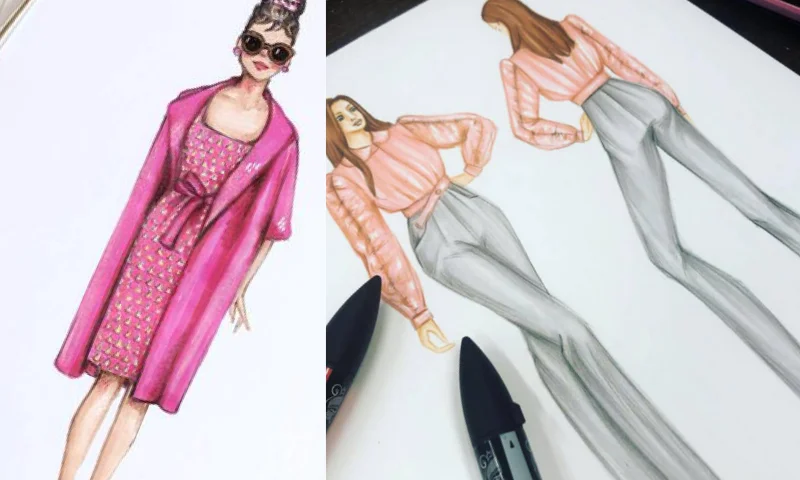
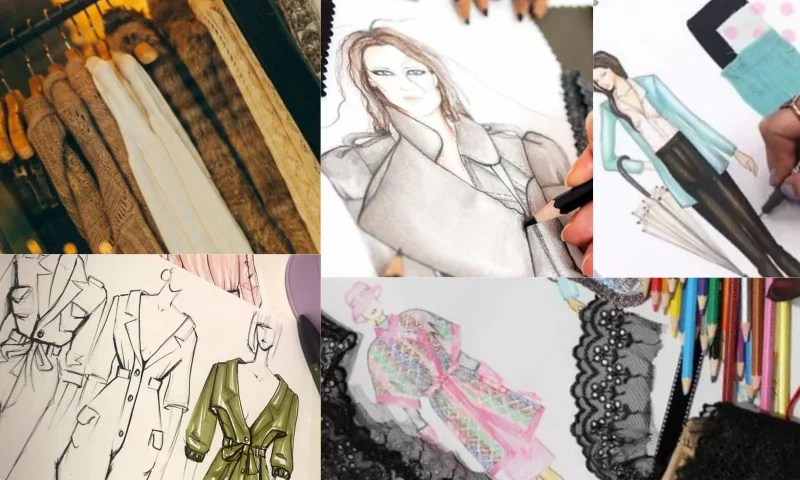
Fashion designers are generally not responsible for the sewing and production part, but their duties include design, drawing, fabric and pattern selection, drawing, and giving instructions for the production of the design. Additionally, a fashion designer must follow and be aware of global fashion movements and trends. They prepare collections for the clothes and similar items they design. They also determine suitable themes for these collections. Introducing the product based on a prototype design they created, sometimes obtaining fabric samples, and closely following the production phase are among their responsibilities. Sometimes they may also open boutiques or sales points for marketing purposes to sell their designs. Alternatively, agreements can be made with agencies and dealers. At times, they may need to conduct research and analysis related to the target audience of the designed product. They must find functional and different ideas and design them on a computer or by hand. They should be knowledgeable about fabrics, patterns, and colors and make the right choices for their designs.