Water-Based Metal Paint Properties
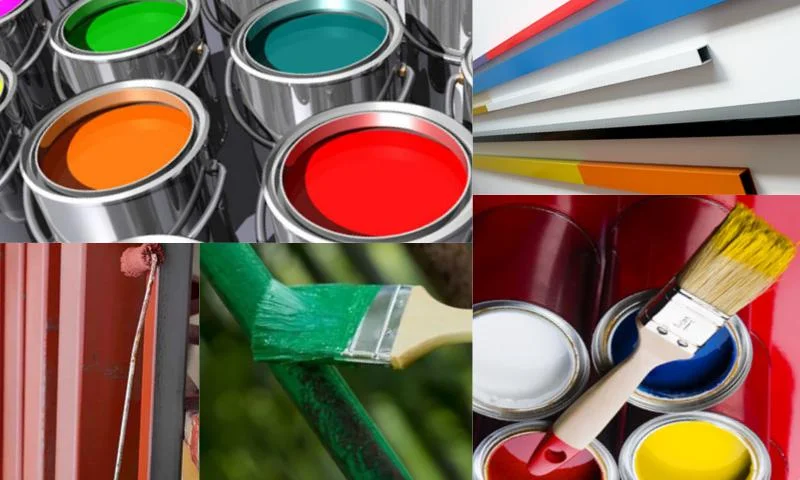
In addition to oil-based paints, water-based metal paint can also be used on metal surfaces. These paints, consisting of small plastic binders dissolved in water, also contain pigment particles and fillers. The relationship of these paints with water is quite interesting. These paints, which do not use thinner for dilution, are thinned with water. In addition to their water-soluble properties, they also become water-resistant after drying. Water-based metal paint is not flammable. Depending on the brand and type, their content may include toxic substances. Simple tests can be applied to determine if a paint is water-based. When you touch these paints, you will not feel any roughness on your hand. Apply acetone to the paint you pour onto a paper towel or a cloth. You will see that no oily residue is transferred to the cloth. If the paint completely adheres to the cloth, then the paint is water-based. These paints, applied to metal surfaces, aim to prevent unprotected metal surfaces from being exposed to effects such as corrosion.
What to Do Before Metal Painting
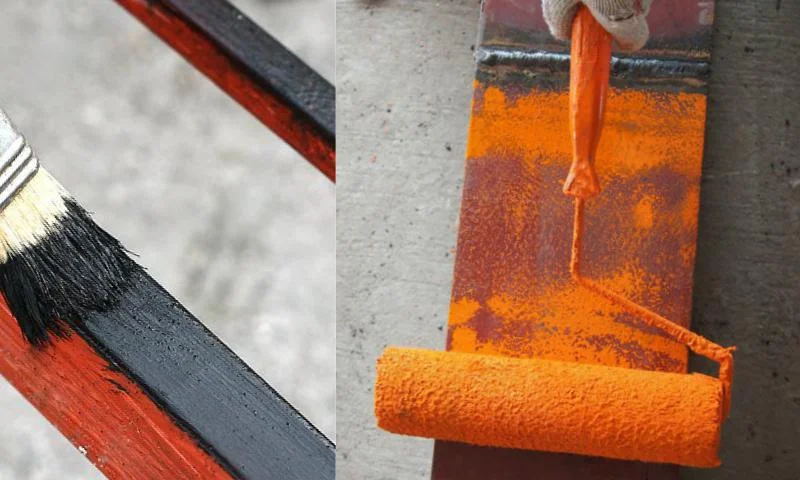
Before painting, this function is also provided by metal protective primer applications. The main reason for this is the binder substances used in paints and primers. The binder substances form an uninterrupted layer, thus preventing liquid and moisture contact with the metal. Water-based metal paint, which can also be applied directly to metal surfaces, is among the paint classes with protective coating properties. Although it can be used as a primer, the labor costs of these paints used as topcoats are also extremely low. These paints, which have many advantages such as safety and environmental protection, are 2 to 3 times more durable and protective when combined with alkyd systems. A second coat of these highly protective paints can be applied even after a few hours.