In the Trail of Traditional Art with Ebru Work

Ebru work is a traditional art form that has held an important place in Turkish-Islamic culture for centuries. Beginning with dropping special paints onto the water surface, this art is completed by transferring the patterns to paper using unique techniques. Ebru, used in the Ottoman period for decorating books and in calligraphy, carries a spiritual meaning as well as aesthetic value. Today, ebru work, done for both artistic and hobby purposes, attracts the interest of people from different cultures. This art, carried on with traditional methods, reaches a wider audience by blending with modern techniques. You can look at related online companies on internet pages to get information on this subject and ask your questions, and examine it in detail from here.
Materials and Techniques Used in Ebru Work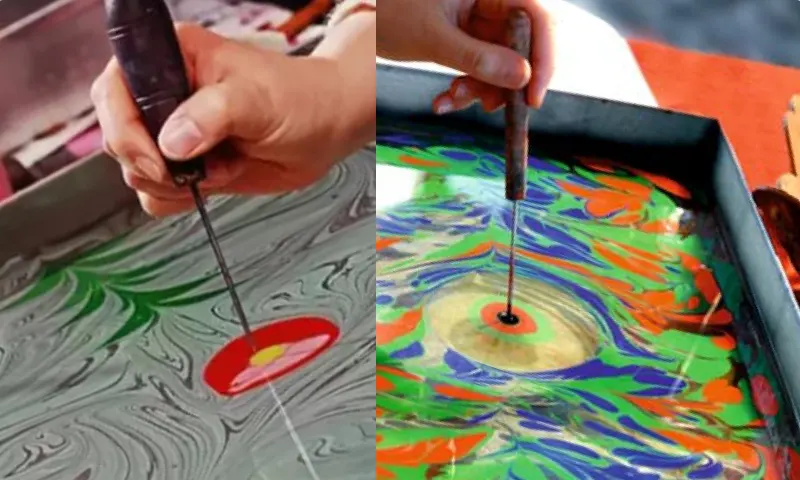
The materials required for ebru work include a trough, ox gall, water, natural paints, brushes, and special papers. Ox gall, which allows the paints to disperse on the water's surface, helps the patterns to emerge more clearly. The brushes being made of horsehair allows the paints to be transferred to the water in the most natural way. Technically, the most well-known types are sprinkled, hatip, ebb and flow, and combed ebru. Each technique has its own unique structure; for example, combed ebru is obtained by shaping the patterns created on the water with the help of a comb. The patterns that emerge thanks to these techniques gain a unique visuality, depending on both chance and the artist's manual skill.
The Place and Importance of Ebru Work Today
Ebru work is not only an artistic heritage of the past but also seen as an activity that provides spiritual tranquility today. Its meditative effect, reducing people's stress, and increasing creativity are effective in preferring ebru as a hobby. Thanks to the ebru courses given in workshops, this art has become an activity that people of all ages can learn. Furthermore, ebru patterns, which have started to be used in modern design fields, inspire many different areas such as textiles, graphics, and interior architecture. Thus, ebru work both keeps the cultural heritage alive and continues its existence within contemporary art.