Historic House Renovation: Carrying Traces of the Past to the Future
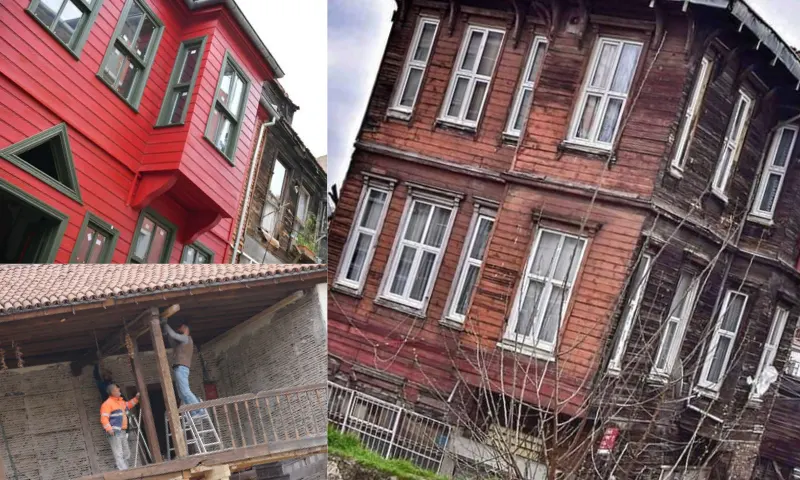
Historic house renovation is a special process aimed at protecting structures with high aesthetic value and cultural heritage, and making them compatible with modern life again. This process ensures that the architectural texture is not damaged and that the structures become safe and livable. Before starting the renovation of a historic house, a detailed survey should be conducted, and cracks, moisture problems, roof condition, and the supporting system should be analyzed in detail. Working with an expert restorer or architect ensures that the spirit of the building is preserved and prevents incorrect interventions. Historic house renovation is not just a physical transformation, but also a process of creating cultural value. For information on this subject and to ask your questions, you can look at the relevant online companies on web pages and examine them in detail.
Material Selection and Application Techniques in Historic House Renovation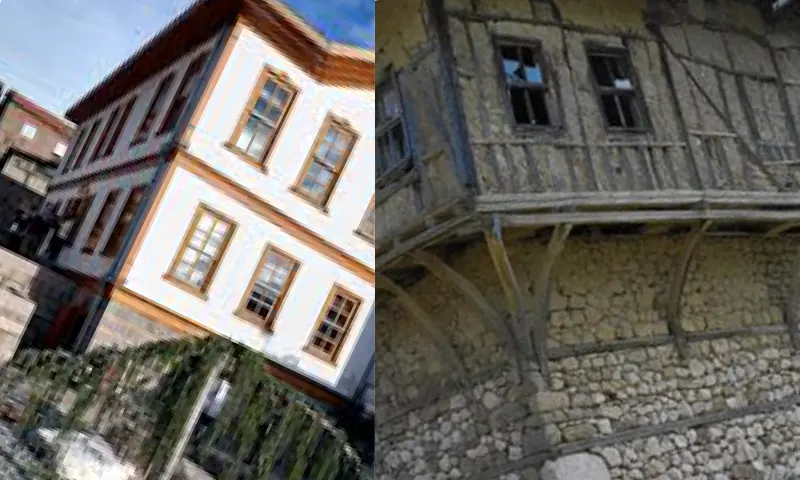
One of the most important stages of historic house renovation is the correct selection of materials to be used. This is because preserving the historical texture is only possible with products close to original materials. For example, the use of natural stone in the repair of old stone walls and the preference for solid wood in the restoration of wooden window frames preserve the character of the building. At the same time, traditional plaster types, old-style floor tiles, and locally produced wooden coverings are ideal options for keeping the historical texture alive. Application techniques also require a more delicate and slower process compared to modern renovation methods. Because an incorrect intervention in historic houses can lead to irreversible damage. Therefore, working with an experienced team is extremely important.
Combining Modern Comfort with Historic House Renovation
The main goal in renovating a historic house is to meet the comfort needs of the present day while preserving the values of the past. Therefore, modern living requirements such as thermal insulation, electrical systems, plumbing, and security systems must be properly integrated into the project. However, it is of great importance not to damage the historical texture during this integration. For example, decorative solutions that progress from the surface can be preferred instead of laying pipes inside the walls. Even smart home systems can be adapted to historic structures. In addition, using modern furniture in interior design in contrast to the historic architecture can yield very aesthetic results. Thus, both the past is kept alive, and a comfortable and original living space suitable for the modern lifestyle is obtained.