
Definition and Working Principle of Wind Energy
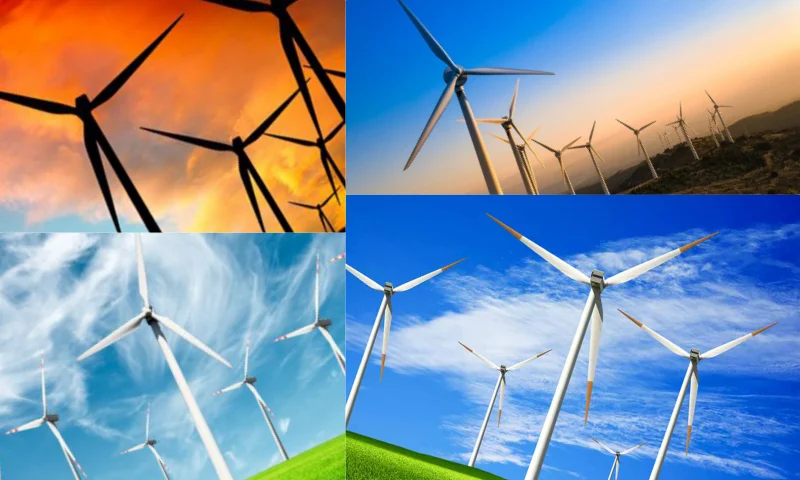
Wind energy is a renewable energy source used to generate electricity from wind power. Wind energy is captured by tall structures called wind turbines, which convert mechanical energy into electrical energy. Wind turbines are usually located on high hills or open fields. The wind produces mechanical energy by rotating the turbine blades. This mechanical energy is converted into electrical energy through a generator and transmitted to the electricity grid. For information on this topic and to ask your questions, you can visit the relevant online companies on the internet pages and examine them in detail.
Advantages of Wind Energy and Contribution to Sustainability![]()
Wind energy is becoming an increasingly popular energy source due to its many advantages. Here are some of the advantages of wind energy:
- Renewable Source: Wind energy is an infinite and renewable source. Wind is constantly formed by the effect of the sun, so wind energy is inexhaustible.
- Environmentally Friendly: Since wind energy production is not dependent on the burning of fossil fuels, it reduces greenhouse gas emissions and air pollution. Thus, it is known as an environmentally friendly energy source.
- Sustainable Development: Wind energy contributes to a sustainable development model that supports the local economy. Wind farms create jobs and employment, and empower local communities.
Challenges and Future of Wind Energy
In addition to its many advantages, wind energy also presents some challenges. The efficiency of wind energy depends on the variability of wind speed and direction. Therefore, there is a need to develop energy storage solutions for continuity and stability in electricity generation. Furthermore, some people and environmental groups may oppose wind energy projects on the grounds that wind turbines are not aesthetically pleasing and have environmental impacts. However, with technological advancements and proper site selection, it is possible to overcome these challenges. Wind energy is a source expected to play a significant role in global energy production in the future. With technological advancements and falling costs, wind energy is becoming even more competitive. Countries focusing more on and investing in wind energy in their energy policies will contribute to a sustainable and clean energy future. In conclusion, wind energy is becoming increasingly important due to its being a renewable and environmentally friendly energy source. Wind energy is a preferred energy option worldwide due to its reduction of environmental pollution, contribution to sustainable development, and creation of a clean energy source for future generations. With technological advancements and increased investments, wind energy is expected to play a larger role in energy production in the future.