
The Arctic: A Unique World of Climate and Wildlife
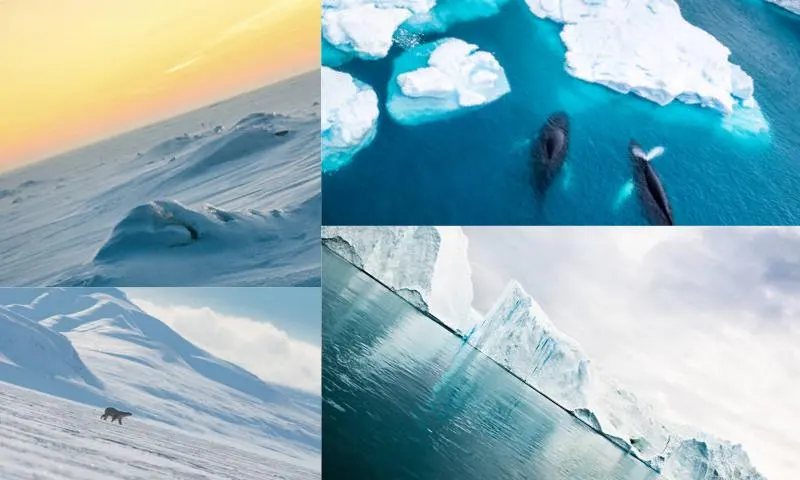
The Arctic is the northernmost point of the world, covered by icy waters, with the Arctic Ocean forming a large part of it. This region is characterized by extreme cold, long winters, and short summers. Due to its unique climate, the Arctic is home to many unique species, especially polar bears, arctic foxes, seals, and seabirds. At the same time, this region has become an important research subject due to melting glaciers and sea ice, with concerns about global climate change. For information on this topic and to ask questions you are curious about, you can check relevant online companies on web pages and examine them in detail from here.
The Geopolitical Significance of the Arctic and International Cooperation
The Arctic is a region rich in strategically important resources such as natural resources, energy reserves, and sea routes. In recent years, the geopolitical importance of this area has increased, becoming a subject of competition among various countries. The struggles for access to energy resources and the use of sea routes in the Arctic have made international cooperation in the region important. Platforms such as the Arctic Council play significant roles in facilitating dialogue and agreements on these matters.
The Arctic and Climate Change: Global Impacts and Conservation Efforts
The Arctic is one of the regions where the effects of climate change are most evident. Rising temperatures, melting sea ice, and changes in ocean currents are affecting the ecosystem of this region. Habitats for polar bears, seabirds, and other species are shrinking. Therefore, various conservation efforts and scientific research are being conducted globally to protect and sustainably manage the Arctic. International cooperation plays an important role in preserving the natural balance of the region, developing resilience against the effects of climate change, and sustainable resource management.