What is Artificial Turf? Where is it Used?
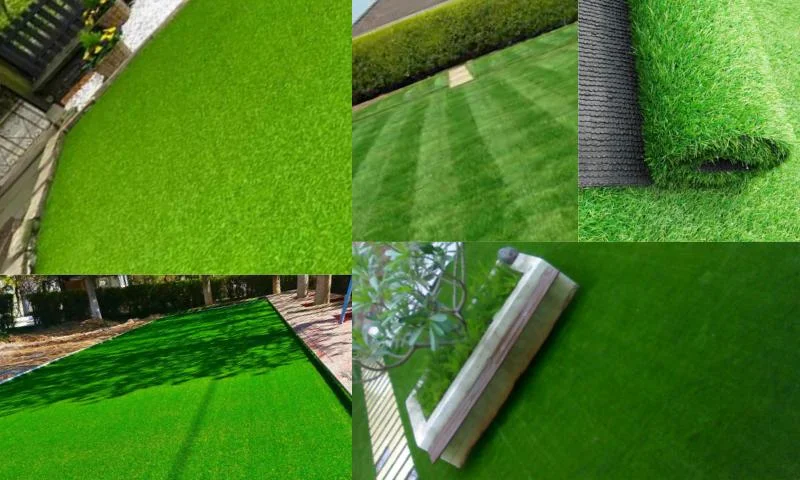
Artificial turf is a ground covering whose raw material is petroleum-based. Developed as an alternative to natural grass, this product is quite advantageous, especially for sports facilities and institutions. Firstly, its cost is more affordable than natural grass. Natural grass requires maintenance every season; besides being troublesome, the ground of open sports fields is negatively affected by adverse weather conditions. Furthermore, its slippery texture can negatively affect the performance of athletes. All these problems are eliminated with artificial turf.
Where is Artificial Turf Used?
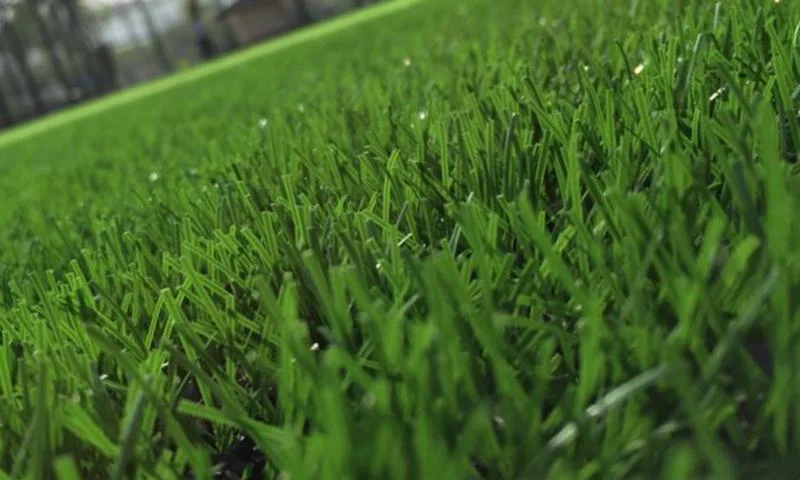
Artificial turf is a ground covering that has been used since the second half of the 20th century. Thanks to today's technology, its use has now become practical and advantageous. By the decision it made in 2004, FIFA approved the use of artificial turf for all official and international competitions, including UEFA-level matches. Besides football, artificial turf can be used in all sports activities where natural grass is used. Golf courses, rugby fields, tennis courts, field hockey fields, and multipurpose fields are among the main areas of use. Federations have set the standards for synthetic artificial turf ground covering, which is suitable for all sports. In addition to sports purposes, artificial turf has also seen a rapidly increasing demand for decorative purposes in recent years. Decorative artificial turf is produced with monofilament and fibrillated types. Fibrillated turf is generally produced in short pile heights. Depending on demand, it can also be supplied in colors other than dark and light green. Monofilament artificial turf, on the other hand, is the model that most closely resembles natural grass. Yellow threads are also used along with monofilament yarns to make the appearance more natural. You can obtain the products you want for sports or decorative purposes with quality and assurance from relevant online companies on web pages.