Fishing Locations and Types of Fishing
What Are the Most Common Fish Species in Our Country?
We live in a country surrounded by seas on three sides, with countless lakes, streams, and rivers, always enjoying the blue. For those who eat whatever comes from the sea, for those who have reached retirement and are looking for a hobby, for a healthier, more beautiful future, for world peace, for humanity, a crystal blue endeavor; fishing. And we present to your liking, through our article, the regions where fishing is practiced. The ancient Turks, who fought with their bay horses in golden steppes, and who were nomadic and raised livestock, like every community of humanity, instinctively preferred watersides and riverbeds to survive. Families settled around rivers, streams, and waterfalls made a living by doing almost every job except fishing. We can see this through the names of fish that are not present in our unique language. We see that the fish we currently eat with pleasure and enjoyment, which are high in nutritional value and have countless benefits, and their names have passed into our language from Greek and Italian. This shows that Turks met fish thanks to their Greek and Italian friends.
The First City That Comes to Mind When It Comes to Fishing
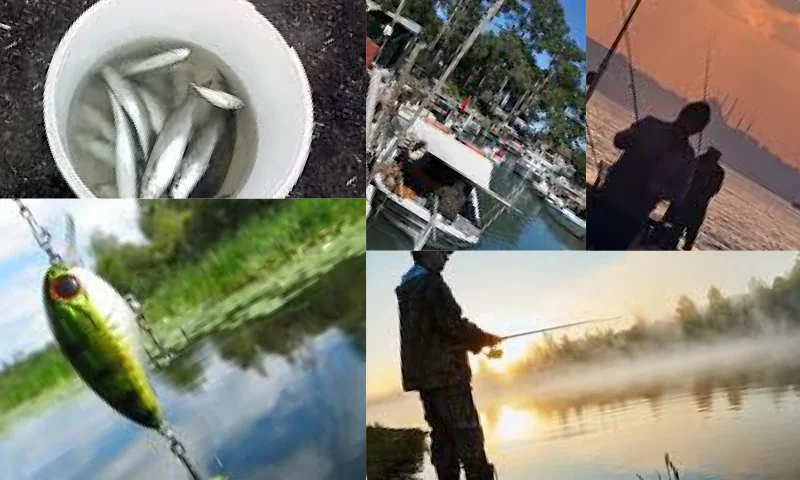
On our peninsula, surrounded by the sea on three sides, fishing presents itself in two different forms: sea fishing and freshwater fishing. Hamsi (anchovy) is the most caught fish species in Turkey annually. When we think of fishing, the Black Sea and the Aegean Seas come to mind. Hamsi, which is the main source of livelihood for the Black Sea Region, can be caught even 30-35 miles offshore during the fishing season. When we talk about fishing in the Black Sea, Trabzon comes to mind first. Fishing is developed in this city, which carries the roughness of the Black Sea. Catches made with cutters, ships, and nets meet a considerable portion of the country's hamsi needs. In Sinop, at the tip of the Black Sea, fishing continues without industrialization to the extent of being self-sufficient. For our Aegean fishermen, who are neighbors to our Greek friends from whom we have integrated fish names into our language through cultural interaction, the fishing season and eating fish are among their passionate pleasures. Since the earliest times of settlement in the Aegean, fishing has been the most important source of livelihood for the region. In Muğla, with the development of tourism, fishing has also developed in parallel. While freshwater fishing is practiced in Bafa and Köyceğiz lakes, fishing in Datça is also a small-scale source of livelihood. We can say that fishing in these districts has a significant positive impact on the economy, in addition to tourism. In the Aegean Sea, whose geography is studied in geography lessons with its inlets and outlets, fish such as barbunya (red mullet), mercan (sea bream), and istavrit (horse mackerel) are caught through coastal or bay fishing, while sardalya (sardine), palamut (bonito), and lüfer (bluefish) are caught through shore fishing. There are numerous fishing villages in the Aegean where people are engaged in fishing, which we can describe as a paradise of calm and serenity. A few of them are Babakale in the north of the Aegean, Sığacık on the Seferihisar side, and Selimiye located on the Bozburun Peninsula. In our country, where we see that the natural resources in our seas are gradually decreasing, the fishing profession is also endangered due to the misuse and pollution of our seas. Fish consumption, which is extremely important for humanity in terms of vitamins and nutritional value, is visibly decreasing for these reasons.