
The History and Cultural Significance of Jewelry

Jewelry, a significant accessory used throughout human history, carries social, cultural, and religious meanings. From ancient times to the present day, jewelry has been used as an indicator of status, a symbol of beauty, an expression of beliefs, and a part of personal style. The form, material, and purpose of jewelry vary greatly across different cultures. Jewelry has a history as old as human history itself. In ancient times, jewelry was generally made from natural materials. Jewelry made using materials such as stone, bone, wood, and shell reflected people's aesthetic sense while also serving as an indicator of social status and beliefs. In the Middle Ages and Renaissance, jewelry became more ornate and detailed. The use of precious metals (gold, silver) and gemstones (diamond, emerald, sapphire) increased. In modern times, jewelry design and industry have seen significant development.
Jewelry Design and Fashion Trends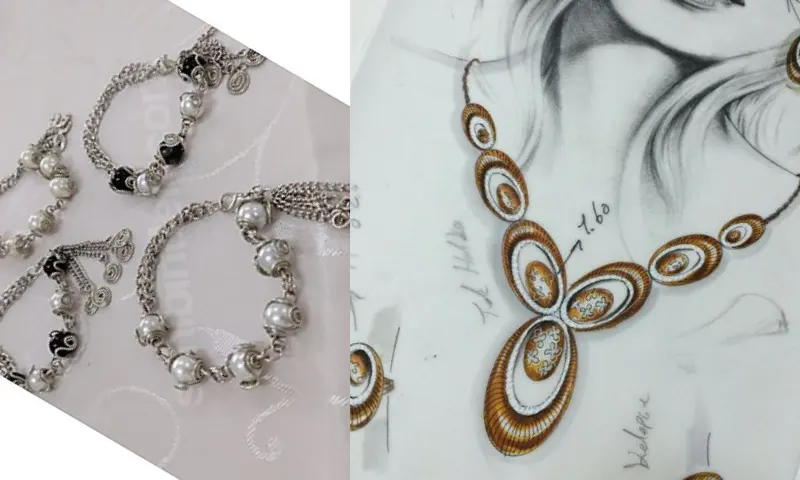
Jewelry design holds an important place in the art and fashion worlds. Along with changing fashion trends, jewelry designs continuously evolve. The use of various materials, minimalist designs, ethnic motifs, and nature-inspired forms are among the prominent trends in the fashion world. Furthermore, personalized and unique designs also hold a significant place in the world of jewelry. The materials and techniques used in jewelry design determine the character of the design. Precious metals (gold, silver), gemstones (diamond, emerald, sapphire), glass, stone, wood, and even recycled materials can be used. Additionally, various techniques such as carving, casting, processing, and clamping are employed in jewelry design. Jewelry design encompasses a constantly changing field parallel to the trends in the fashion world. Minimalist designs, ethnic and natural motifs, geometric forms, and personalized designs are among the popular jewelry trends today. Moreover, sustainability and the use of eco-friendly materials have also become an important trend today.
Personal and Social Functions of Jewelry
Jewelry not only carries aesthetic value but also has personal and social functions. Beyond reflecting a person's style and personality, jewelry represents family heritage and history in some cultures. Additionally, jewelry can strengthen the sense of belonging to a particular group or community and express social status. Jewelry is one of the ways people express themselves and carries cultural, social, and personal meanings. Jewelry design and use also reflect people's aesthetic perception, fashion preferences, and cultural identities. Therefore, jewelry is more than just an accessory; it holds an important place in people's lives. Jewelry also plays a significant role in ritual and meaningful events. On weddings, engagements, birthdays, and other special occasions, jewelry is given and received as gifts. These pieces symbolize memories and emotions while also contributing to the strengthening of social relationships and the reinforcement of societal bonds.